Cuba has been plunged into darkness for the second time in a single week, as the nation's fragile electrical grid succumbed to a massive collapse, leaving over 10 million people without power. Homes, businesses, and essential services across the island nation have been severely impacted, compounding an already dire humanitarian and economic crisis.
The Cuban energy ministry confirmed the widespread outage in a social media statement, announcing "a total disconnection of the National Electrical System." Authorities swiftly moved to implement restoration protocols, with the grid operator UNE prioritizing the gradual recovery of electricity to "vital" centers such as hospitals and water systems. This latest incident marks the third major blackout to hit the Caribbean country this month, underscoring the severe challenges facing its energy infrastructure.
At the heart of Cuba's chronic power woes lies a complex interplay of factors. A long-standing US fuel blockade has severely curtailed the import of foreign oil, which is crucial for powering the island's electricity generation plants. This external pressure is exacerbated by an aging and underfunded national electricity infrastructure, a legacy of decades of economic strain, and persistent fuel shortages that regularly plague the communist-run nation.
Read Also
- Saudi Arabia Launches "Future Tech" Initiative: Billions in Investment, Vision 2030 Realized
- القدية تدشن مرحلتها الأولى: المملكة تفتح أبواب المستقبل الترفيهي العالمي برؤية 2030
- Saudi Arabia Achieves Historic FDI Inflow: Vision 2030 Bears Fruit
- Saudi Arabia Launches Pioneering National Initiative to Boost Technological Innovation under Vision 2030
- Saudi Arabia Achieves Historic Leap in Global Competitiveness Index Driven by Vision 2030
Amidst the deepening crisis, international solidarity has emerged. Over the weekend, a coalition of international socialist groups arrived in Havana, bringing much-needed aid donations. Their convoy included solar panels, basic food kits, and essential medicines, offering a glimmer of hope to affected communities. Furthermore, the "Nuestra America" flotilla, an aid convoy departing from Mexico, though delayed by rough seas, is anticipated to reach Havana's port on Monday, promising further relief supplies.
However, the escalating crisis has also ignited rare public dissent. On Monday, residents in central Havana took to the streets, expressing their frustration by banging pots and pans – a traditional form of protest. More dramatically, in the central Cuban town of Morón, protesters attacked and set fire to the Communist Party headquarters on the same day, a stark illustration of the growing public anger. Such unauthorized demonstrations are illegal in Cuba, and those who defy the ban face the risk of imprisonment, highlighting the precarious balance between public frustration and state control.
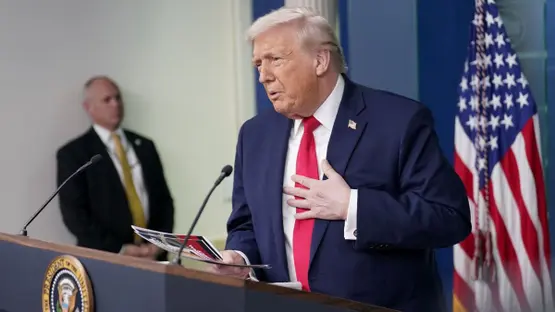
The domestic turmoil is inextricably linked to escalating geopolitical tensions, particularly with the United States. Since US soldiers seized former Venezuelan President Nicolás Maduro on January 3rd, the question of similar actions against Cuba has been repeatedly put to President Donald Trump. Reports suggest that Trump is seeking the removal of Cuba's President Miguel Díaz-Canel, a key regional ally of Venezuela, as a prerequisite for lifting the crippling fuel embargo. Last week, Trump provocatively suggested a "friendly takeover" of Cuba, later remarking it would be an "honour," comments that have been met with strong condemnation from Havana.
Related News
- حصريًا لـ 'سعودي 365': المملكة تطلق مشاريع رقمية عملاقة لدعم رؤية 2030
- Exclusive to 'Saudi 365': Saudi Arabia Leads Unprecedented Economic Diversification Under Vision 2030
- الرياض تطلق منطقة 'الابتكار الرقمي' لتعزيز رؤية 2030: تفاصيل حصرية من سعودي 365
- Saudi Economy Gains Momentum: New Investments Worth $50 Billion Bolster Vision 2030
- مبادرات تاريخية: المملكة تطلق حزمة لدعم شبابها نحو مستقبل مزدهر
In response to the perceived US military aggression, President Díaz-Canel affirmed the island's readiness, stating that Cuba has a "preparation plan to raise our people's readiness for defence." Despite the belligerent rhetoric, there have been glimmers of diplomatic engagement. Díaz-Canel confirmed that the American and Cuban governments have held initial phases of bilateral talks aimed at de-escalating the crisis, though the progress and substance of these discussions remain unclear.
Nevertheless, Cuba has maintained a firm stance on its sovereignty. On Friday, Cuban Deputy Foreign Minister Carlos Fernandez de Cossio unequivocally stated, as reported by Reuters, that "the political system of Cuba is not up for negotiation, and of course neither the president nor the position of any official in Cuba is subject to negotiation with the United States." This declaration underscores Havana's resolve to resist external pressure, even as its people grapple with unprecedented challenges posed by a collapsing power grid and a tightening economic squeeze.